
Let’s be honest. The traditional customer support playbook—a centralized help desk, tiered tickets, a single source of truth—falls apart in the world of Web3. You’re building for a community that values sovereignty, transparency, and peer-to-peer interaction. So why would you support them with a walled-garden, top-down system? It’s a mismatch that creates friction, frustration, and frankly, a ton of missed opportunities.
Here’s the deal: a decentralized support model isn’t just about answering questions. It’s about architecting a system where your users help each other, where knowledge is collectively owned and verified, and where support itself becomes a core part of the product experience. It’s challenging, sure. But it’s also the only model that truly aligns with the ethos of the space. Let’s dive in.
Why Centralized Support Cracks Under Web3 Pressure
Think about the unique pain points of a blockchain product user. They’re not just dealing with a buggy UI; they’re navigating wallet connections, gas fees, network congestion, and the ever-present fear of a costly, irreversible mistake. The stakes feel higher. The anxiety is real.
A centralized team, no matter how large, simply can’t scale to meet 24/7 global demand across every timezone and language. More critically, that model creates a single point of failure—and trust. It contradicts the very decentralization you’re likely preaching. Users might wonder: if the network is distributed, why is all the help locked in a private Discord channel or a slow email queue?
The Core Pillars of a Decentralized Support Framework
Building this isn’t about abandoning responsibility. It’s about redefining it. You become a facilitator, not just a firefighter. Here are the key pillars to structure around.
1. A Community-Owned Knowledge Base
Forget the static FAQ written by a single marketing person. A living, community-edited knowledge base—hosted on a platform like GitBook or a decentralized wiki—is your foundation. Allow trusted community members to edit, update, and translate documentation. Incentivize contributions with tokens, reputation points, or governance power. This turns support from a service into a shared resource.
2. Token-Incentivized Peer-to-Peer Help
This is where it gets interesting. You can formalize the “helpful Discord user” role. Create a system where experienced users earn rewards for providing verified, accurate answers in public forums. Think of it like a decentralized gig economy for support. Structure it with:
- Reputation Scores: Track helpfulness via upvotes or successful resolution markers.
- Bountied Questions: Project teams can post a token bounty for a specific, complex problem.
- Tiered Roles: Top contributors gain elevated status and influence, maybe even shaping product roadmaps.
The goal? To make helping others a valuable, recognized activity within your ecosystem.
3. Transparent, On-Chain Governance for Disputes
What happens when there’s a disagreement about a support issue or a bounty payout? Don’t sweep it under the rug. Use a lightweight governance mechanism—like a snapshot vote or a dedicated council of seasoned community members—to adjudicate. This transparency builds immense trust. It shows you’re serious about decentralizing power, even when it’s messy.
Practical Tools and Platforms to Get Started
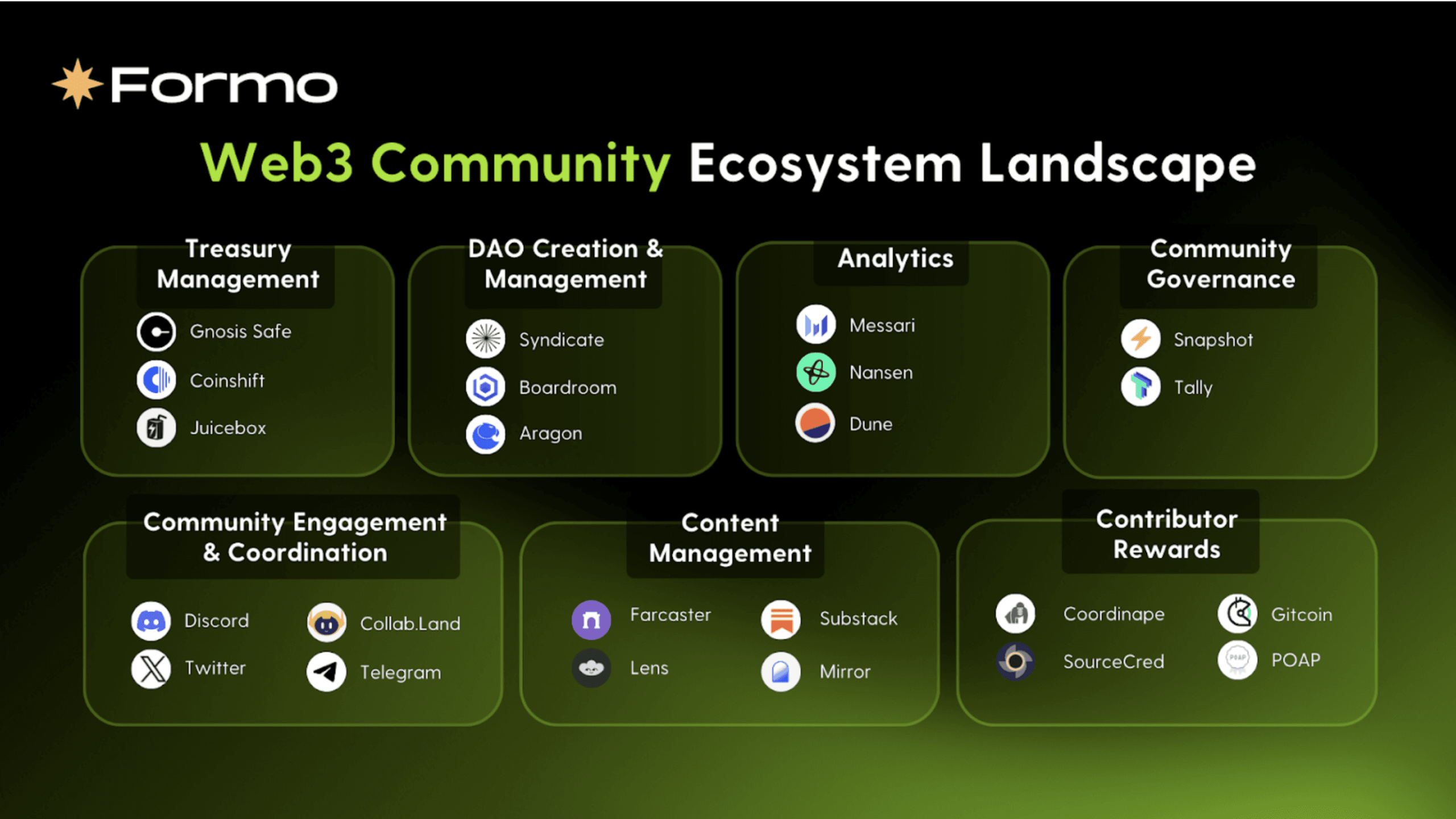
Okay, theory is great. But what do you actually use? You’ll likely need a hybrid stack that bridges web2 convenience with web3 principles.
| Tool Type | Examples | Web3 Integration Point |
| Community Forum | Discord, Common Room, Discourse | Use bots to assign roles/reputation based on on-chain activity or token hold. Gate access to alpha channels. |
| Knowledge Base | GitBook, Notion, Docusaurus | Open edit permissions via GitHub PRs. Reward commits with tokens. |
| Reward & Incentive Platform | SourceCred, Coordinape, Collab.Land | Automatically distribute tokens for contributions measured by community sentiment. |
| Governance | Snapshot, Tally, custom DAO tooling | Let the community vote on support resource allocation or policy changes. |
The trick is to connect these tools so reputation and activity flow between them. A great answer in Discourse should boost a user’s reputation in Discord and maybe even earn them a governance token airdrop. That creates a cohesive, rewarding loop.
The Inevitable Challenges (And How to Face Them)
It won’t be smooth sailing. A decentralized support model has its own set of headaches. Misinformation can spread. Toxic users can game incentive systems. The quality of help can be… uneven. You know, human.
Mitigation is key. You need active, empathetic community managers—not to give all the answers, but to curate, guide, and model good behavior. Implement robust verification for high-stakes advice (like smart contract interactions). And maybe start with a hybrid phase: core team handles security-critical issues while the community grows into general troubleshooting.
Beyond Support: Building a Resilient Ecosystem
Ultimately, this isn’t just a cost-saving tactic or a scaling hack. When you get it right, a decentralized support model does something profound: it turns users into stewards. It builds a network of invested, knowledgeable advocates who don’t just use your product—they defend it, explain it, and improve it.
That’s the real win. You’re not just solving tickets; you’re fostering resilience. The community becomes your most robust feature, capable of weathering storms, onboarding waves of new users, and providing a depth of localized, nuanced help that no central team ever could. The support forum stops being a cost center and starts looking a lot like the beating heart of your project.
So the question shifts. It’s no longer “How do we handle all these support requests?” It becomes “How do we build a space where people are empowered to help each other?” That’s a question worth building an answer for.